deep dive — web3 gaming
Play, collect, and earn on Arcaden
Arcaden was a web3 gaming platform where players logged in with Sign-In with Ethereum, topped up in-game tokens, traded collectibles, and staked NFT characters on quests. I worked on the smart contracts and frontend features that connected the arcade economy to the blockchain.
Full-stack Web3 Developer
- V1 NFTs migrated gaslessly
- 5,000+
- collectibles mintable via lazy minting
- 50,000+
- engagement lift from gamified staking
- 300%
- exploits across burn & mint contracts
- 0
01Onboarding
One door for gamers, another for degens
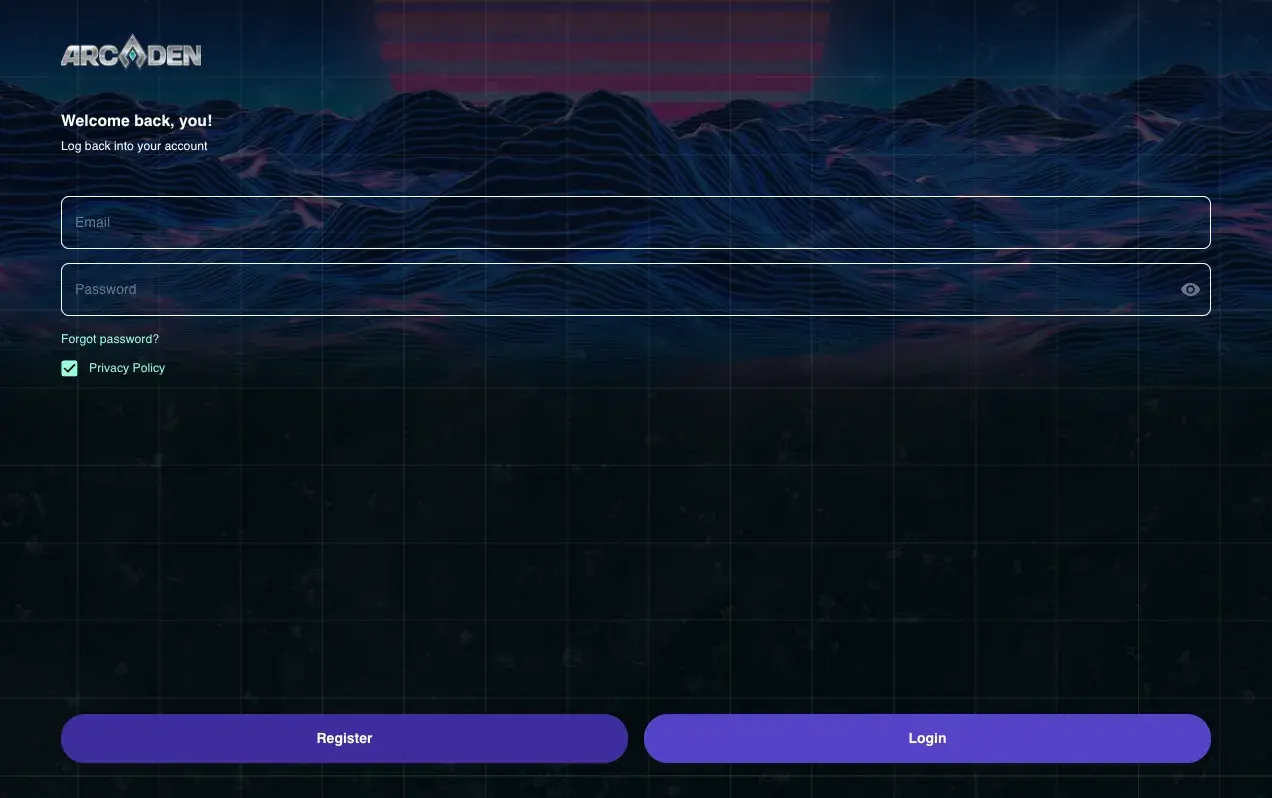
Arcaden had to welcome two very different audiences: traditional gamers who expect an email and password, and crypto-natives who expect to connect a wallet. The login screen offered both — classic credentials alongside secure wallet authentication using Sign-In with Ethereum (SIWE).
Once inside, the homepage kept everything one click away. Auto-rotating banners surfaced the latest games, drops, and rewards, so players always landed on something new without digging through menus.
02The economy
Turning crypto into playable value
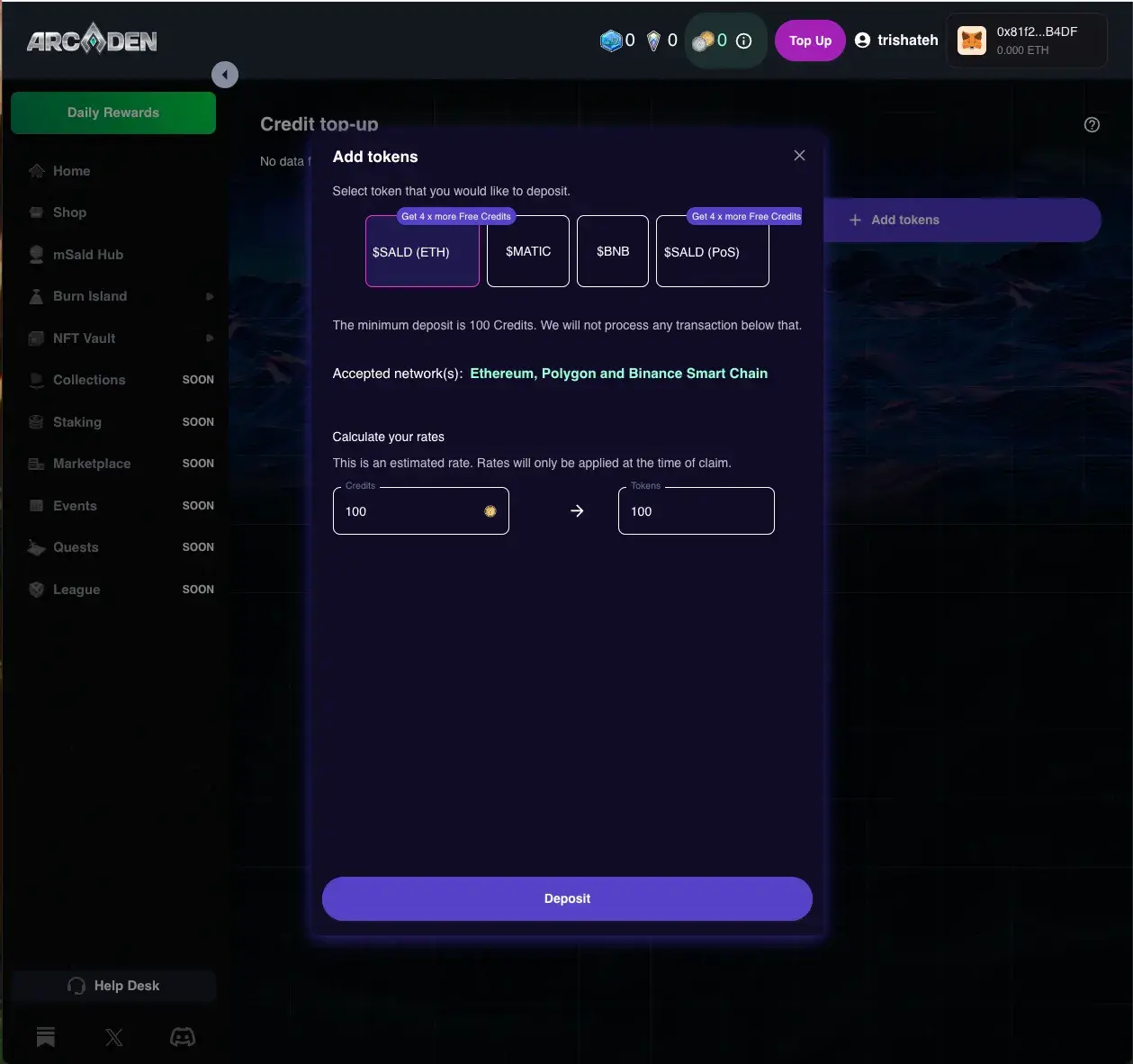
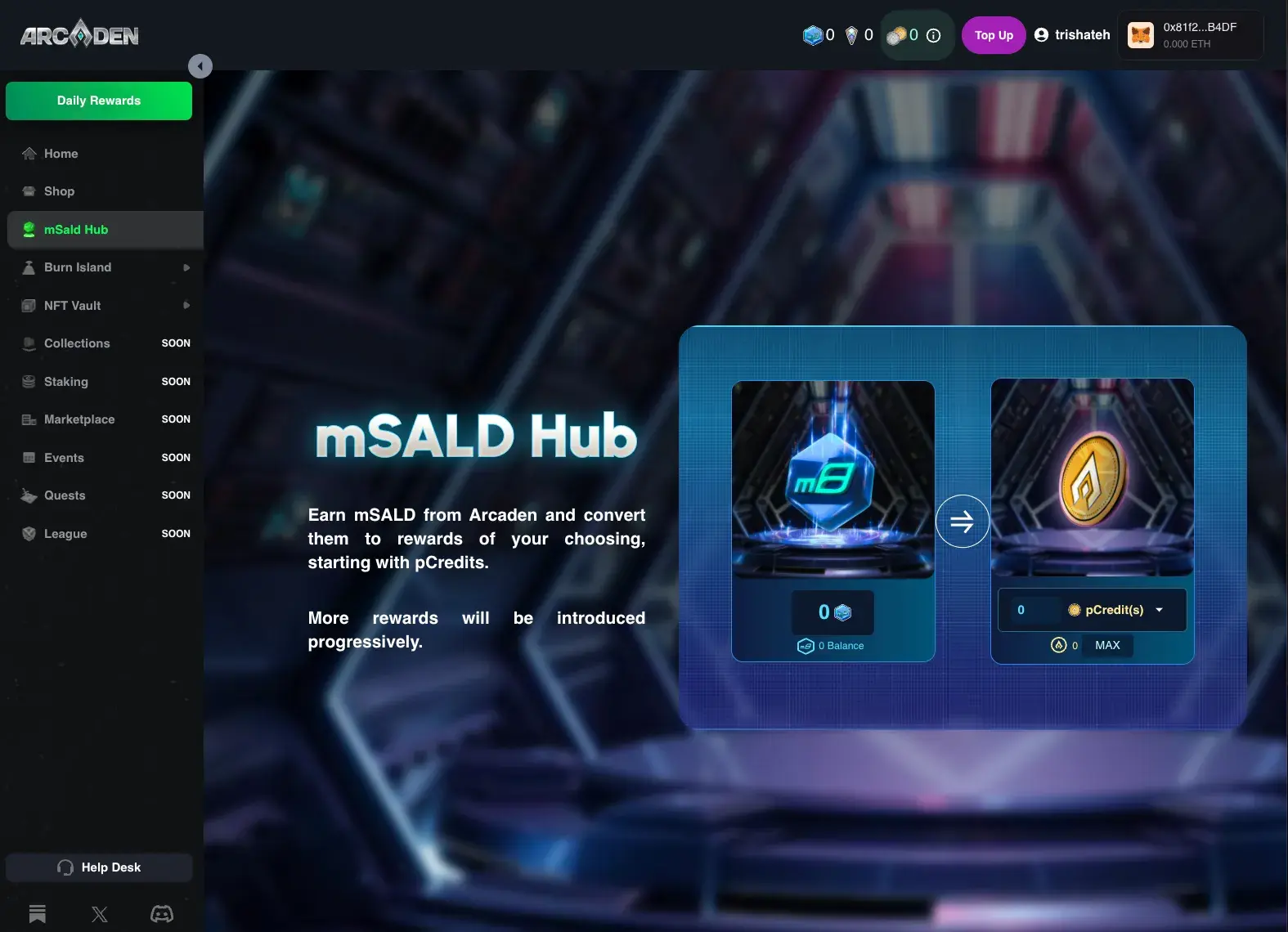
Players deposited selected cryptocurrencies to receive in-game tokens — the fuel for arcade games, quests, and rewards. The mSALD Hub extended this further, letting users convert their tokens seamlessly and unlock new ways to play and earn.
The marketplace closed the loop: players opened weapon treasure chests, purchased collectibles, and picked out avatars from the Avatar Store, giving every earned token somewhere fun to go.
03On-chain migration
Burning V1 into V2, without gas or exploits
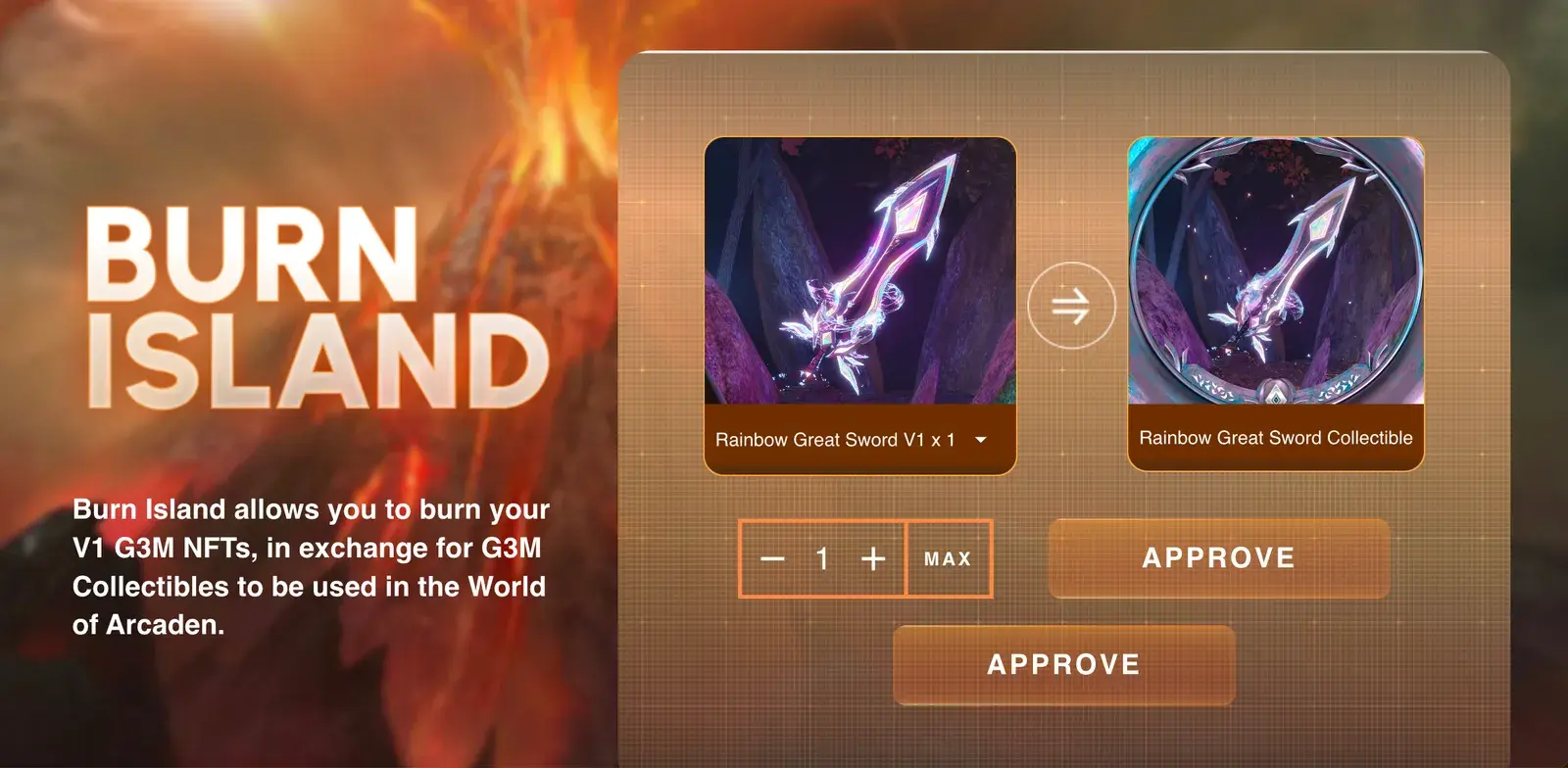
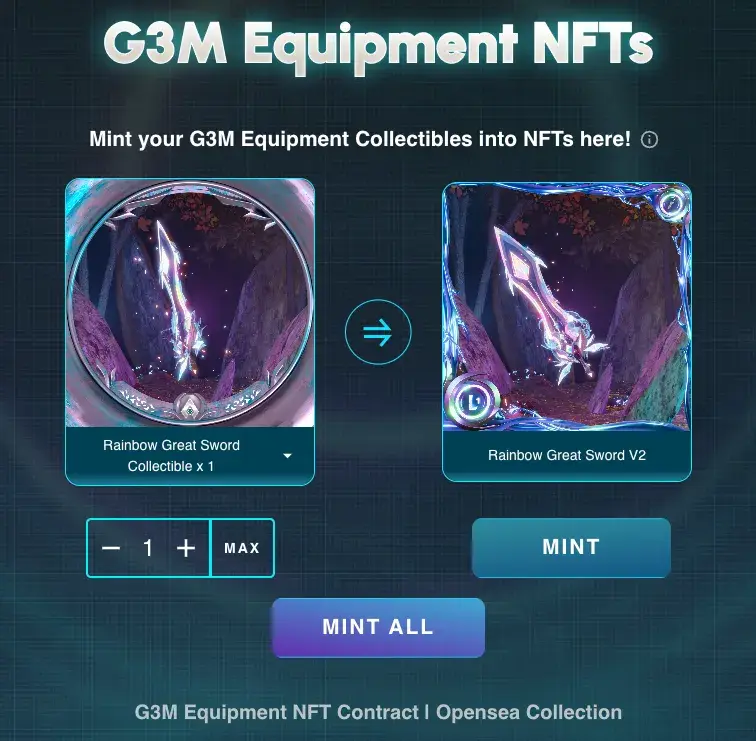
When Arcaden moved to its V2 collectibles, existing World of Arcaden V1 G3M NFT holders needed a safe path forward. On Burn Island, holders burned their V1 G3Ms in exchange for V2 Collectibles — a gasless migration I worked on securing, which moved 5,000+ NFTs with zero exploits.
The V2 minting contracts used lazy minting and signature minting, so in-app treasures only became on-chain NFTs when a player chose to mint. Holders of G3M Material and Weapon Collectibles could mint equivalent V2 G3M NFTs and view them on OpenSea — 50,000+ collectibles ready to cross over without upfront gas costs.
04Play to earn
Staking that feels like a game, not a form
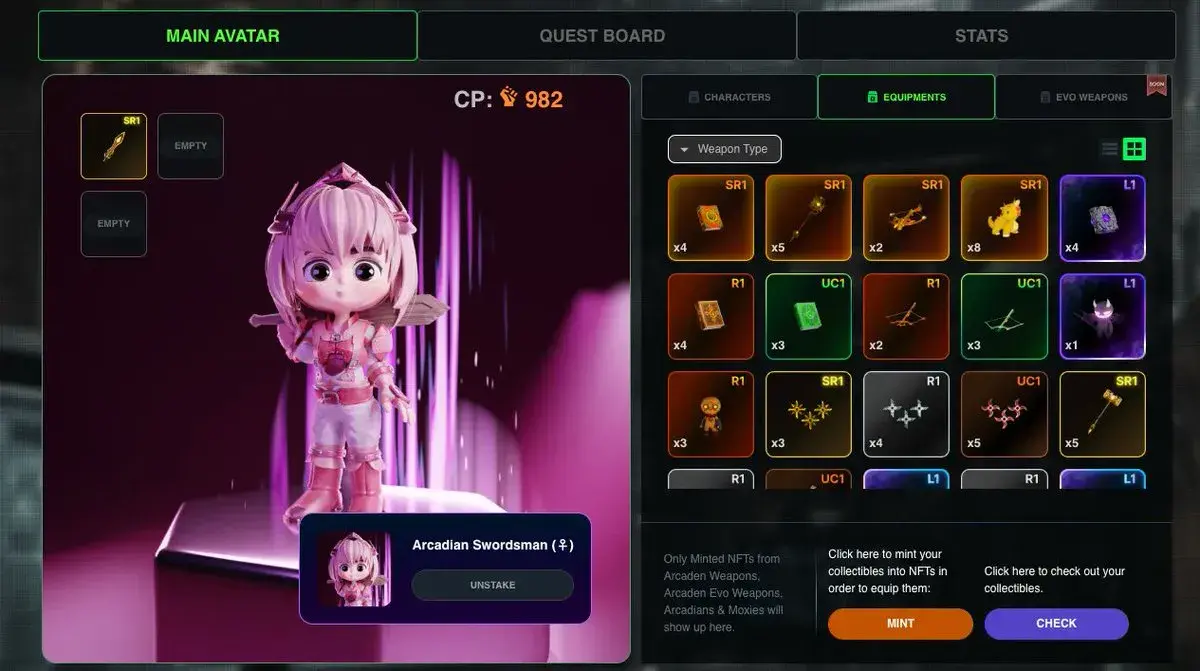
Avatar characters (ERC-721) could equip weapons (ERC-1155) to accumulate combat points — each avatar with unique abilities, each loadout a personal strategy.
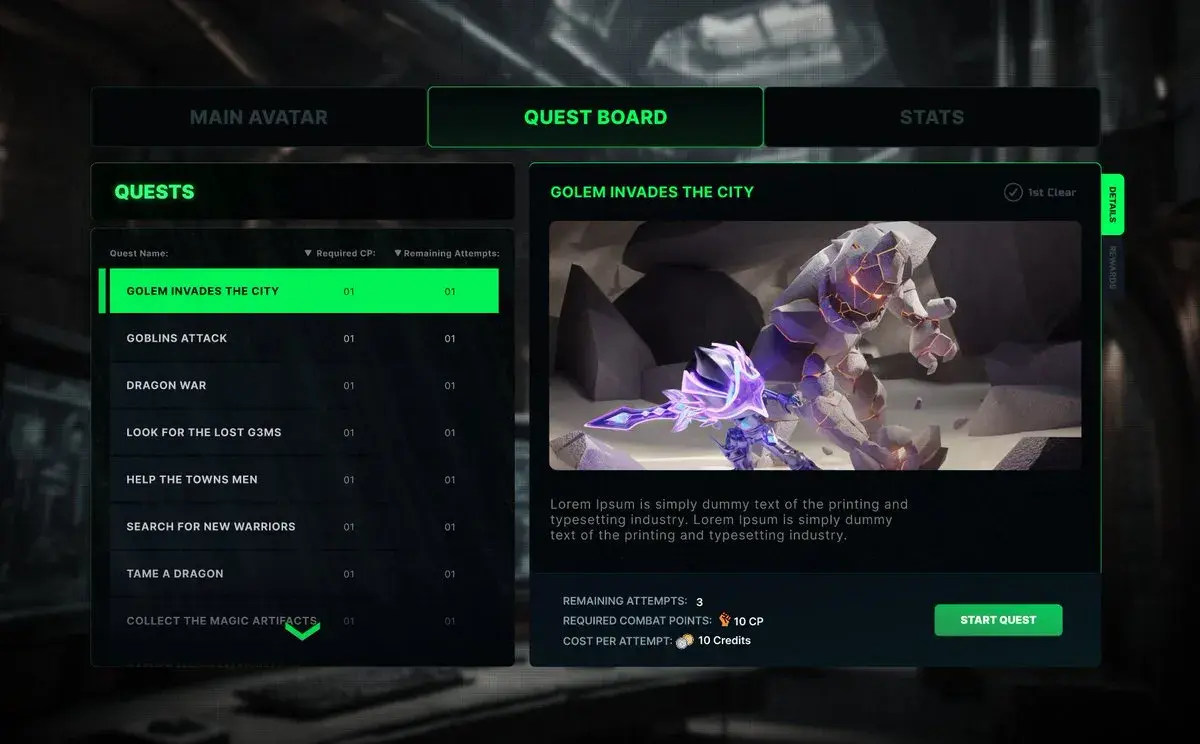
Equipped characters were then staked onto the Quest Board to embark on quests and earn rewards. Better gear meant better odds, turning what is usually a dry staking transaction into a loop players actually wanted to repeat — engagement rose 300% after launch.
outcome
A full arcade economy, on-chain
Arcaden shipped as a complete play-collect-earn loop: SIWE onboarding, token top-ups, a live marketplace, a gasless V1→V2 migration, and gamified NFT staking. The platform is no longer online, but the contracts behind Burn Island, V2 minting, and NFT staking remain verifiable on-chain — and this page keeps the product as it looked in production.
more deep dives
Solana NFT Drop
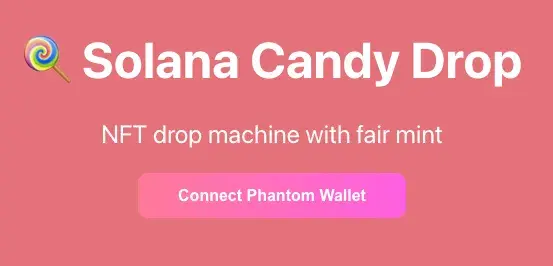
This is a web app on Solana built with Metaplex that lets users mint and receive NFTs from my handcrafted collection in their wallet.
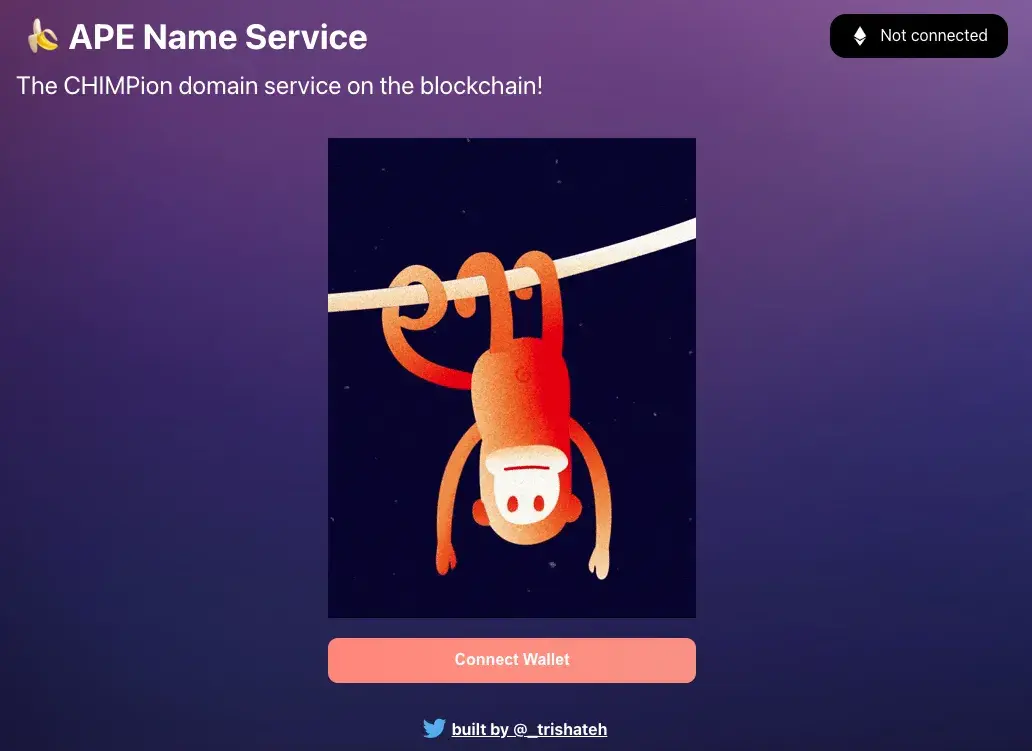
Ape Name Service
Ape Name Service is a Domain Name Service on Polygon Layer 2. Mint your own '.ape' domain NFTs and record information about your apes on the blockchain.
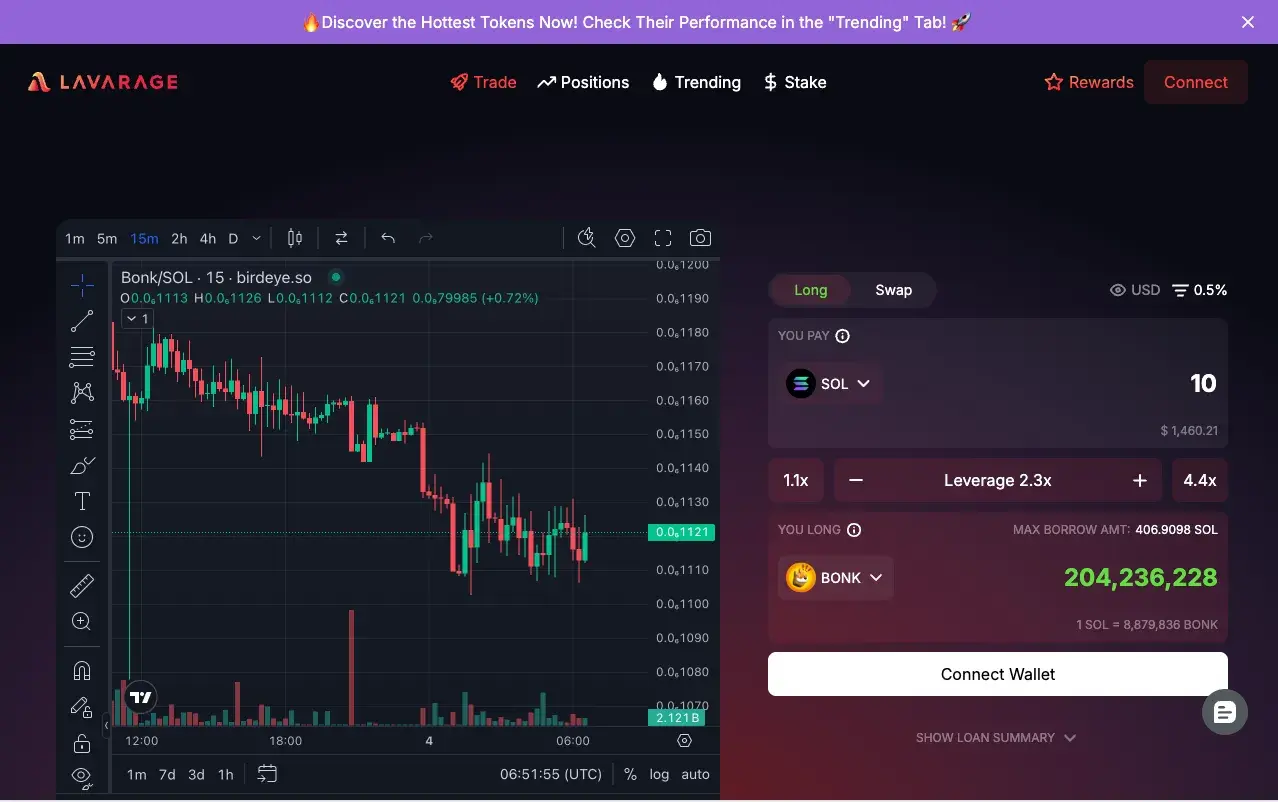
Lavarage DApp
A decentralized spot margin trading platform, specializing in long-tail assets.